A large part of how a child learns depends not only on educators and curriculum, but also on the environment and resources available to them. Without access to basic educational tools, students may struggle to stay engaged, and teachers may be limited in the quality and variety of lessons they can deliver.
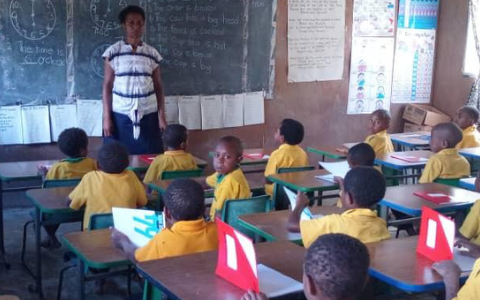
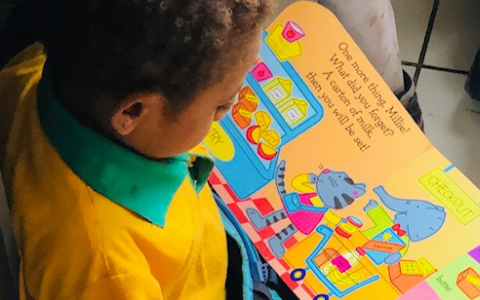
Project Skul addresses this by providing new and quality pre-loved educational resources to schools in rural Papua New Guinea, creating more comfortable, functional classroom environments where students feel encouraged to attend and learn. By improving classroom settings, through desks, chairs, whiteboards, bookshelves, stationery, and learning materials, the project enhances educational outcomes and empowers teachers to deliver effective, measurable lessons.
In Australia, Project Skul plays a vital role in promoting environmental sustainability by giving a second life to educational resources that would otherwise end up in landfill. Every year, countless desks, chairs, bookshelves, whiteboards, and other classroom items are discarded by schools, businesses, and individuals, not because they are unusable, but simply due to upgrades or changes in infrastructure.
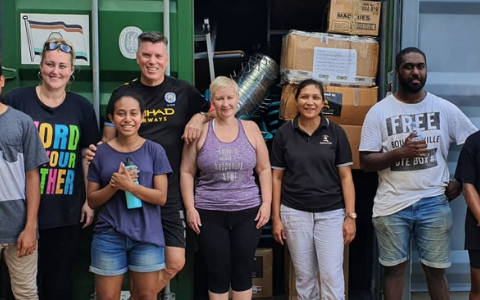
Through Project Skul, these items are collected, repurposed, and redirected to where they are needed most: rural schools in Papua New Guinea. This significantly reduces the volume of waste entering Australian landfills, directly supporting national sustainability goals and reducing our environmental footprint. Importantly, Project Skul provides local Australian communities, schools, and businesses with a meaningful alternative to disposal. Rather than treating surplus items as waste, donors are empowered to contribute to a circular economy by extending the life of valuable resources.
This not only conserves materials and energy, but also reinforces a culture of responsible consumption and production, aligning with SDG 12. Additionally, Project Skul creates opportunities to educate students in Brisbane and across Australia about the power of repurposing and their role as global citizens. Through hands-on involvement—such as donation drives, resource sorting, and school-based awareness campaigns—students learn that everyday actions can have real-world impact.
They begin to see how small choices, like saving a chair from landfill, can support a child’s education thousands of kilometres away. This fosters empathy, environmental consciousness, and a deeper understanding of social responsibility, all while promoting tangible, sustainable outcomes for both Australia and Papua New Guinea